The Drop Shot Rig Is A Fun & Effective Rigging Method To 'Get Down' In The Water
The drop shot rig is easy to learn how to tie, simple to fish with, and extremely productive for catching many fish.
Also known as a 'down shot rig', it has become a very popular rigging technique for freshwater fishing.
The following provides some tips about how cool the drop shot is,
proper tackle to use, a step by step rigging guide so that you can "drop it like it's
hot", and alternate rigging methods to accommodate various fishing techniques.
Why Is The Drop Shot Rig So Effective?
Drop shots are especially effective for finicky types of
pressured fish, and for those that remain suspended up off of the bottom of
the water column. Drop shotting rigs are not only awesome in open
water, but are also great for muddy and weedy brush and grass bottom
structures. These rigs allow for the bait to be more visible to the
fish, whereas some of the other types of fishing rigs can cause the bait to be hidden amongst the underwater brush.
Drop Shot Rigging Tackle
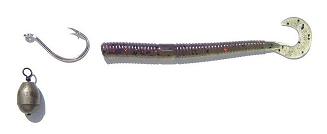 Basic Tackle For Rigging a Drop Shot
Lures And Baits For The Drop Shot
A nice aspect with a drop shot rig is that you can use a
variety of soft plastic lures. My favorites are 4" to 5" worms, grubs,
flukes, and shad or minnow replicas. I also have much success with
plastic crawdads and brush hogs. Live baits are always also excellent
to entice many strikes, which can include nightcrawlers,
leeches and bait fish.
Drop Shot Hooks And Sinkers
Smaller sized open bend hooks are most often preferred to use.
You may find that there are a variety of sinkers that are manufactured
specifically for drop shotting. I like to use the egg drop styles, but
I much more prefer to use the mojo pencil weight. The mojo sinker
allows for me to bring it through rocky structure without getting hung
up and broken off.
Drop Shot Rig Instructions
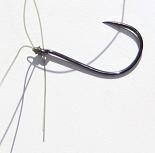
Step 1:
First, tie your fishing line onto your hook, while leaving enough of your tag end left for a 12 to 24 inch leader for tying your sinker to.
By the way, I'm using the palomar
knot in this demonstration.
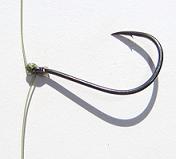
Step 2:
Then take the tag end back up over the top and insert it down through
the eye hole of the hook. This will allow for the hook to stand
straight out, as illustrated in the pictures.
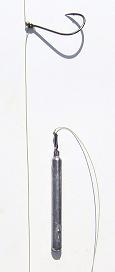
Step 3:
Now that the tag end is through, you can now tie off your drop shot sinker as such.
As the photo to the left side shows, and as I have mentioned
above, I often prefer to use a mojo drop shot sinker when fishing in
shallow or deep rocky structures and along the shoreline of rip rap
areas.
Step 4:
Now you can rig your bait. A common and very effective way is by simply nose hooking the bait, leaving the hook point exposed.
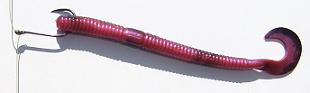 Berkley 4" Powerbait Power Worm in the Tequila Sunrise color.
Options Of Rigging The Drop Shot
And aside from your choice of hooks and sinker styles, there are a couple different ways for hooking your bait.
When fishing in open water, you can simply run the hook onto the nose of the bait and leaving the hook exposed.
If you're around brush and other snaggy types of structure, then rigging it up like the weedless style Texas rig will be the best call to action.
Both of these productive tactics are expressed in more detail below.
Drop Shot Rig Tips And Alternative Rigging
Aside from the standard rigging method, you can also use other variations for the drop shot...
When fishing in open water, whether in deep or
shallow environments without any snaggy types of structure, then you
can use an exposed open hook presentation. The
picture below shows a smoked black with silver and chrome flake colored
grub, but you can use a variety of so many other types of soft plastic
swimming style lures that you are confident in using.
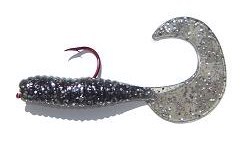 Black smoke grub with chrome silver flake.
If you are fishing around snaggy
types of structure like lay downs, fallen trees, brush,
through underwater grass or weed lines, and similar structures, then a
weedless style rig would be best, such as the Texas Rig
shown below.
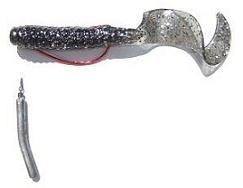 Black Grub Rigged Weedless with a Drop Shot Mojo Pencil Weight
Also, if you're drop shot fishing around a whole lot of rocky structure that may cause you to get hung up and snagged a lot, then you can use a pencil weight, like the mojo drop shot sinker, and slightly bend it. The bend helps to let the sinker slide over and through the tight rocks.
You can use your bare hands to bend the lead weights, otherwise, it may be much easier to use a couple pair of pliers to bend the weights made of tungsten. A slight 20 to 30 degree angle should be enough to accomplish the desired results.

NEW Merch Available Now!


Recent Articles


-
Monster Trinity River Alligator Gar
Sep 21, 23 11:30 AM
 Great Father and son day on the Trinity River in Palestine, Texas July 16, 2023. My son, Air Force Lieutenant Andrew Jordan Grove landed this 218lb, 7
 -
Spinner Bait Fishing For Pike And Caught This Lunker
Jul 22, 23 05:10 PM
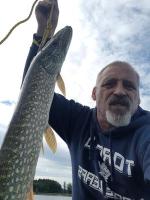 Spinner bait fishing for pike and caught this lunker at Valens Lake in Ontario, Canada.
 -
Sacramento Delta “Top Water Action”
Jul 22, 23 04:45 PM
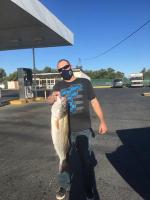 My name Is D.C. My backyard resides on the East Sacramento Delta. Anyhow, I was throwing a 9 inch Cotton Cordell Pencil Popper (red and white in color).
Facebook Comments
Leave a comment, question or tip in the box below.